


Connecticut homeowners looking to go solar face a key question: what's the smartest way to pay? For many, the answer is a prepaid solar lease or prepaid solar PPA(prepaid power purchase agreement) — a single upfront payment that costs 15–30% less than buying outright, with no monthly lease payments and full maintenance included for the life of the agreement. Whether you choose a prepaid solar lease in Connecticut or a prepaid solar PPA, the savings work the same way.
This guide explains exactly how a prepaid solar lease and prepaid PPA work, why they're the smartest solar financing options for Connecticut homeowners in 2026, and how the numbers compare to a cash purchase using current Eversource rates.

What is a prepaid lease & PPA? → Why it matters in 2026 → How it works step-by-step → Prepaid vs. PPA vs. Cash → Eversource rate comparison → Red flags to watch for → Selling your home → Warranty & maintenance → Why SunPol → FAQs
What Is a Prepaid Solar Lease & Prepaid Solar PPA?
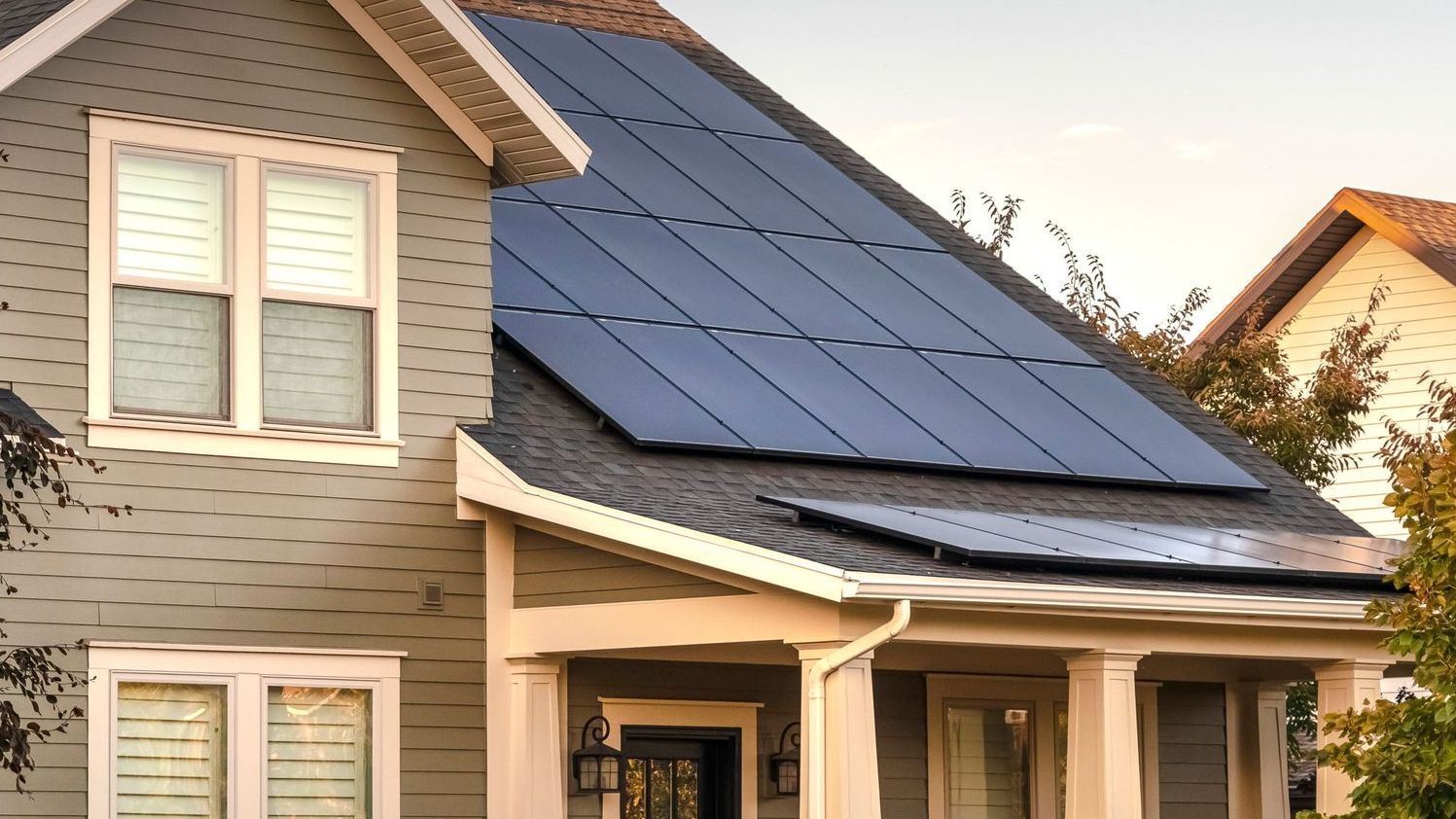
A prepaid solar lease(sometimes called a prepaid solar PPA or prepaid power purchase agreement) is a financing option where you make one upfront lump-sum payment and SunPol installs, owns, and maintains a solar system on your home. In return, you get all the electricity the system produces — with zero monthly lease payments for the life of the agreement, typically 20–25 years.
Think of it like pre-paying for your electricity at a steep discount, locked in for decades while Eversource rates keep climbing.
Prepaid Solar Lease vs. Prepaid Solar PPA: What's the Difference?
A prepaid solar lease and a prepaid solar PPA(prepaid power purchase agreement) work almost identically from the homeowner's perspective — you make one upfront lump-sum payment, and you receive all the solar electricity your system produces with no monthly lease payments for 20–25 years. The technical difference is in how the payment is structured: with a prepaid lease, you're paying for the use of the equipment itself, while with a prepaid PPA, you're prepaying for the electricity the system will produce. In practice, the result is the same — one payment, decades of solar energy, and full maintenance coverage from SunPol. At SunPol, we'll help you understand which structure applies to your specific agreement. Throughout this guide, "prepaid solar lease" and "prepaid solar PPA" are used interchangeably because the homeowner experience and savings are essentially identical.
The reason the upfront cost is lower than buying the same system outright is straightforward: with a prepaid lease, SunPol retains ownership during the lease term and you benefit from a lease concession — a built-in discount that makes the prepaid price significantly lower than the retail cost of purchasing the same system with cash.
A prepaid lease typically costs 15–30% less than buying the same system outright. You pay once, get all the power, and SunPol handles maintenance for the entire term. At the end of the lease (20–25 years), you may purchase the system at its fair market value — which is typically minimal after decades of use — subject to the terms of your lease agreement.
Why the Prepaid Lease or Prepaid PPA Is the Smart Move in 2026
Connecticut electricity rates are among the highest in the nation and continue to climb. As of January 2026, Eversource's supply rate increased 29% to 12.64¢/kWh — and that's before delivery, transmission, and public benefit charges that push the all-in cost to 26–32¢/kWh for most households.
Every year you wait, Eversource rates rise further and your cumulative savings from solar shrink. A prepaid lease lets you lock in your energy cost today at a fraction of what you'll pay the utility over the next 20 years.
The prepaid lease structure includes a lease concession — a built-in discount that makes the prepaid price significantly lower than purchasing the same system outright. This is why a prepaid lease typically costs 15–30% less than a cash purchase.
In practical terms, for a typical Connecticut home using about 8,100 kWh per year, a prepaid solar lease generally ranges from $14,700 to $23,000 — compared to over $54,000 in projected Eversource costs over the next 20 years. That's significant savings, while also eliminating the hassle of maintenance and system monitoring.
With Eversource rates rising year over year and lease concessions making prepaid solar more affordable than ever, 2026 is an excellent time to lock in a prepaid lease. The longer you wait, the more you pay Eversource — and current pricing may not last forever.
How a Prepaid Solar Lease or Prepaid PPA Works: Step by Step

No-Obligation Consultation & Custom Design
We assess your roof, analyze your Eversource usage, and design a system sized to your actual energy needs using premium Tier 1 panels.
You Make One Upfront Payment
Instead of monthly lease payments, you prepay for the energy your system will produce. This lump sum is 15–30% less than buying the same system outright.
We Install, You Relax
SunPol handles permits, installation (typically 1–3 days), inspection, and Eversource interconnection. You get a dedicated project manager throughout.
No Monthly Lease Payments — For Decades
Once your system is activated, there are no monthly lease payments. SunPol owns and maintains the system, handling any monitoring, repairs, or equipment issues.
Ownership Option at End of Lease
While the option to purchase the system at fair market value may become available after the initial hold period (~6 years), most homeowners wait until the end of the full 20–25 year lease term, when the system's fair market value is minimal. At that point, the buyout cost is significantly lower — making end-of-term ownership the most financially practical path. All purchase terms are outlined in your lease agreement.
Prepaid Lease vs. PPA vs. Cash Purchase: How They Compare in 2026
Each solar financing option has its own advantages and disadvantages, but the numbers in 2026 favor the prepaid lease for most Connecticut homeowners who have savings to invest and want the best return. Here's how the pros and cons stack up:

| Feature | Monthly PPA ($0 Down) | Prepaid Lease ⭐ | Cash Purchase |
|---|---|---|---|
| Upfront Cost | $0 | 15–30% below cash price | Full system cost |
| Monthly Lease Payments | Yes (lower than Eversource) | ✓ None | ✓ None |
| Lease Concession | ✓ Built into rate | ✓ Built into price | N/A — full retail price |
| Maintenance Included | ✓ Full term | ✓ Full term | ✗ Your responsibility |
| System Monitoring | ✓ Included | ✓ Included | ✗ Your responsibility |
| Path to Ownership | At FMV after lease term | ✓ At FMV after lease term* | ✓ Immediate |
| 20-Year Total Cost | Moderate (ongoing payments) | Lowest total cost | Highest upfront, good ROI long-term |
| Can Be Financed with a Loan | N/A | ✓ Yes — lock in lower price | Yes (solar loan) |
| Best For | Homeowners with no upfront budget | Maximum savings — pay upfront or finance with a loan | Homeowners who want full control from day one |
For homeowners who want zero upfront cost and are comfortable with monthly payments, the PPA is a great option — you still pay less than Eversource with $0 down. But if you have capital to invest and want the absolute lowest 20-year cost of electricity, the prepaid lease wins.
*Ownership available via purchase at fair market value. While buyout may be available after the initial hold period (~6 years), fair market value is typically minimal at end of the full lease term (20–25 years), making end-of-term buyout the most practical option. All terms subject to your lease agreement.
How Prepaid Solar Compares to Eversource Rates
Connecticut has some of the highest electricity costs in the nation, and Eversource rates keep rising. As of January 2026, the standard service supply rate jumped to 12.64¢ per kWh — a 29% increase from the previous summer rate of 9.748¢. And that's just the supply portion. When you add delivery charges, transmission, and public benefit fees, most Eversource customers pay 26–32¢ per kWh all-in.
Eversource vs. Prepaid Solar: The 20-Year View
Based on average CT household using ~8,100 kWh/year and Eversource's current all-in rate of approximately 28¢/kWh:
With Eversource rates increasing at roughly 3% per year on average, a typical Connecticut household will spend over $54,000 on electricity over the next 20 years. A prepaid solar lease or prepaid solar PPA locks in your energy cost at a fraction of that — one payment, and you're done.
The savings become even more dramatic if rates spike — as they did in the winter of 2022–2023 when Eversource's supply rate surged to over 24¢/kWh due to the global natural gas crisis. With a prepaid lease, you're insulated from those shocks entirely.
See exactly how much you'd save with a prepaid solar lease or PPA based on your actual Eversource usage.
Get My Quote →No-obligation quote • Takes 2 minutes • Based on your actual roof and energy usage
Who Is a Prepaid Solar Lease or Prepaid PPA Best For?
A prepaid solar lease or prepaid PPA is ideal for Connecticut homeowners who have savings or equity to invest and want the maximum long-term solar savings without the risk and hassle of system ownership. This third-party ownership (TPO) model means SunPol retains ownership of the solar panels in Connecticut on your roof, handling everything from monitoring to repairs. Specifically, it works best if you plan to stay in your home for 5+ years (though the lease transfers easily to buyers if you sell), you want protection from Eversource rate volatility, you prefer not to deal with maintenance or monitoring, and you want access to the lowest possible cost for going solar.
Don't have the full amount on hand? You can also finance a prepaid lease by taking out a personal loan or home equity loan to cover the upfront cost. This lets you lock in the lower prepaid price and lease concession while spreading the payment over time. In many cases, the monthly loan payment is still less than what you'd pay Eversource — so you start saving from day one.
If you don't have capital for an upfront payment and prefer not to take a loan, a $0-down PPA is an excellent alternative — you still save on electricity from day one with no money out of pocket. And if you want immediate full ownership and don't mind the higher cost, a cash purchase remains an option.
Can I Add Battery Storage to a Prepaid Lease?
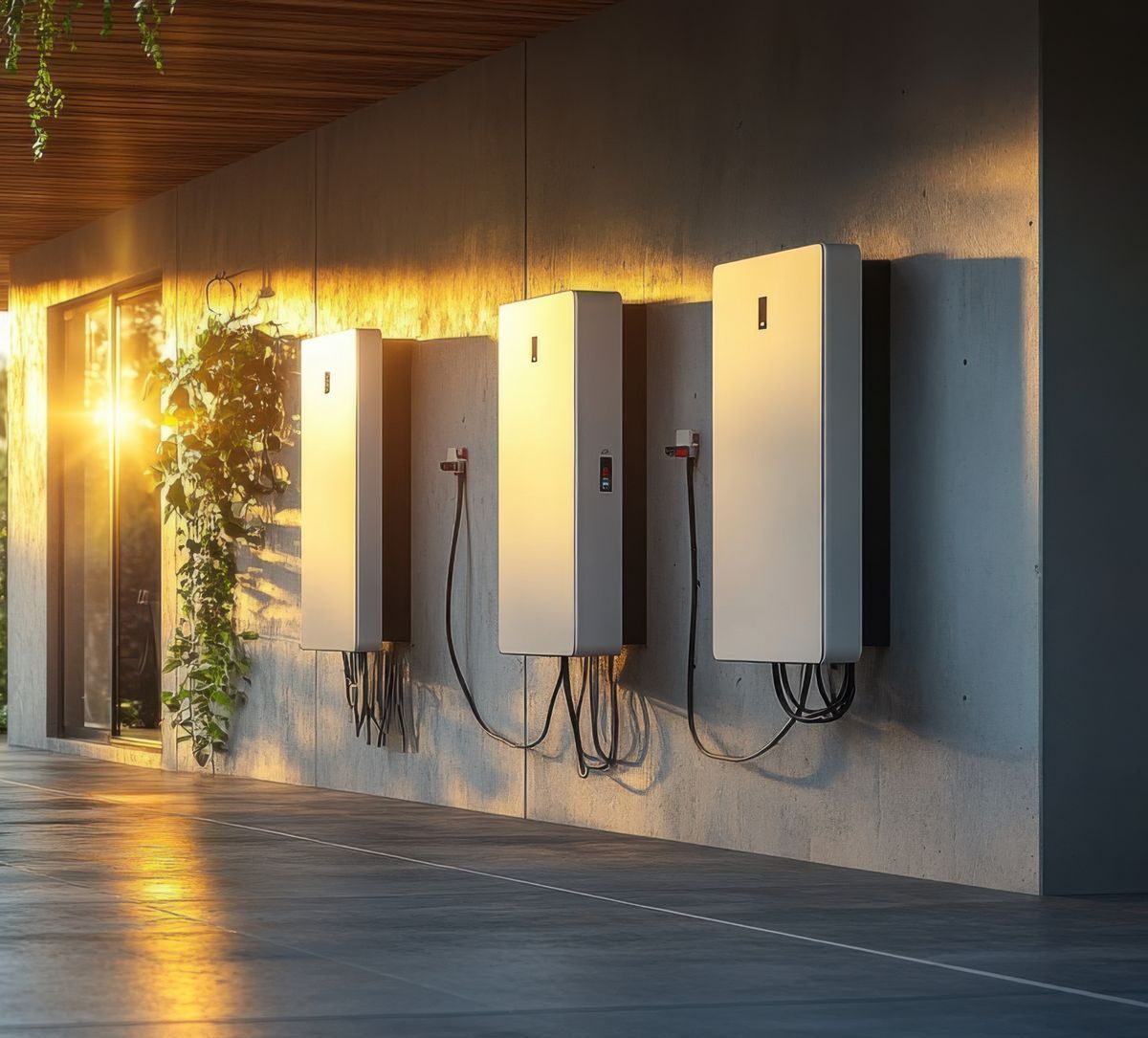
Yes. Enphase or Franklin battery systems can be paired with your prepaid solar lease or prepaid PPA for whole-home backup power. This is especially valuable in Connecticut where winter storms regularly cause extended outages. Your battery stores excess solar energy during the day and powers your home at night or during grid outages — giving you energy independence year-round. Learn more about our solar battery storage options.
Connecticut also offers the Energy Storage Solutions incentive program through Eversource, which provides both upfront and performance-based incentives to help lower the cost of home battery installation. SunPol is a CT Green Bank approved contractor. When combined with a prepaid lease, battery storage maximizes your energy independence and protects against both rate increases and power outages.
Red Flags: What to Watch Out for With Prepaid Solar Leases and PPAs
Not all prepaid solar leases are created equal. As this financing model grows in popularity, some companies are offering deals that look great on paper but carry hidden risks. Here's what Connecticut homeowners should watch for before signing a prepaid lease agreement.
1. The Price Seems Too Good to Be True
If a prepaid lease price is dramatically lower than competing quotes — for example, 40–50% below cash purchase price when the standard range is 15–30% — proceed with caution. Aggressively low pricing can indicate a company is using aggressive or non-compliant accounting practices that could create legal complications down the road. A reasonable lease concession should bring your cost to roughly 70–85% of the cash purchase price.
2. Unclear Ownership Transfer Terms
Your agreement should clearly state when and how ownership can transfer to you, what the purchase price will be, and what conditions apply. Vague language like "ownership may be available" without specific terms, timelines, or pricing formulas is a red flag. At SunPol, we make sure every prepaid lease agreement includes clear ownership transfer terms so you know exactly what to expect.
Some companies advertise that you can "own your system after just 6 years." While it's true that the option to purchase may become available after the initial hold period, what's often left unsaid is that the purchase price is based on fair market value (FMV) — and at year 6, a solar system still retains significant value. The FMV of a 6-year-old system that still has 19+ years of productive life remaining can be substantial — potentially thousands of dollars on top of what you've already paid. This means an early buyout may not deliver the savings you expect. In most cases, it makes far more financial sense to continue the lease through the full 20–25 year term, when the system is decades old and its fair market value is minimal. At that point, the buyout cost is typically very low. Always review the FMV calculation method and buyout pricing schedule in your lease agreement before signing, and be cautious of any company that glosses over this detail.
3. No Clear Warranty or Maintenance Obligations
During the lease term, the solar company is responsible for monitoring, maintenance, and repairs. If the contract doesn't specify what "maintenance" includes, what response times are guaranteed, or what happens if equipment fails, you could be stuck with an underperforming system and no recourse. Make sure all warranty and service obligations are detailed in writing.
4. An Undersized System
Some companies design systems that are too small for your actual energy usage in order to lower the quoted price. An undersized system means you'll still be buying a significant amount of electricity from Eversource — undermining the entire purpose of going solar. Always verify that the proposed system is sized to offset at least 90–100% of your annual electricity consumption.
5. High-Pressure Sales Tactics
Solar is a significant investment. Any company that pressures you to sign immediately, won't let you take the contract home to review, or discourages you from getting competing quotes is not acting in your best interest. A reputable installer will give you time, answer all your questions, and welcome comparison shopping.
6. No Local Presence or CT License
Connecticut requires a Home Improvement Contractor (HIC) license for solar installations. Verify that any company you work with holds a valid CT HIC license and has a local presence. National companies without Connecticut roots may not understand local permitting requirements, Eversource interconnection processes, or CT-specific incentive programs. SunPol is based in Newington, CT (HIC-0698394) and has deep knowledge of every municipality we serve.
7. The Installer and Lease Owner Are Different Companies
Many prepaid lease programs are run by third-party lenders or financing companies — not the solar installer. This means one company installs your system and walks away, while a completely separate company owns it and manages your lease for the next 20–25 years. If something goes wrong with the installation or the system underperforms, you can end up caught between two companies pointing fingers at each other. Ask who actually owns the system during the lease term and whether that's the same company that installs it. With SunPol, we are both — one company, one relationship, full accountability.
Get at least two or three quotes, read every contract thoroughly, and ask specific questions about ownership transfer, warranty coverage, and system sizing. If anything is unclear, ask for it in writing before you sign.
What Happens If You Sell Your Home With a Prepaid Solar Lease or PPA?
One of the most common concerns about any solar lease is: what happens when I sell? The good news is that prepaid leases are significantly simpler to transfer than traditional monthly leases or PPAs.
Why Prepaid Leases Are Easier to Transfer
With a traditional monthly lease, the buyer must agree to assume ongoing monthly payments for the remaining term — which can be 15–20 years. Many buyers are reluctant to take on that obligation, and it can complicate or delay the sale. With a prepaid lease, there are no remaining payments. The buyer simply inherits a fully paid solar system that produces $0-cost electricity. This makes the transfer straightforward and removes one of the biggest objections buyers have about solar leases.
How the Transfer Process Works
The exact transfer process depends on the terms of your lease agreement, but generally involves notifying SunPol and completing a simple transfer form. There are no payments for the buyer to qualify for and no credit checks required. The new homeowner steps into the agreement and receives all the benefits — solar electricity at no additional cost, monitoring, and maintenance coverage for the remaining term.
Warranty and Maintenance: What's Covered During the Lease Term
One of the biggest advantages of a prepaid lease over a cash purchase is that maintenance and monitoring are included during the lease term. Here's what that means in practice.
What SunPol Covers During the Lease Term
During the lease term, SunPol retains ownership of the system and is responsible for ensuring it performs as expected. This typically includes 24/7 remote system monitoring to detect any performance issues, repair or replacement of faulty panels, inverters, or other equipment, scheduled maintenance as needed to ensure optimal performance, and insurance coverage on the equipment itself.
What Happens After You Purchase the System
If you purchase the system at fair market value at the end of the lease term (subject to the terms of your lease agreement), maintenance responsibility transfers to you. However, the manufacturer warranties on your equipment remain in effect. Premium Tier 1 solar panels typically carry 25-year performance warranties guaranteeing at least 80–85% output at year 25. Enphase microinverters carry 25-year warranties as well. Between manufacturer warranties and the inherent durability of solar equipment (no moving parts, minimal degradation), ongoing maintenance costs for an owned system are typically very low.
SunPol's Full-Term Workmanship Warranty
In addition to manufacturer equipment warranties and our ongoing maintenance obligations, SunPol stands behind our installation work with a workmanship warranty that covers the full term of your prepaid lease. This covers the quality of the physical installation — roof penetrations, wiring, racking, and mounting. If any installation-related issue arises during your lease term, we'll fix it at no cost to you.
Prepaid Solar Lease or PPA vs. Traditional Monthly Lease: Key Differences
If you've seen ads for "$0-down solar leases," you might wonder how a prepaid lease differs from a traditional monthly lease. The differences are significant — and they affect your long-term savings, flexibility, and ability to sell your home.
With a traditional monthly lease, you pay a fixed monthly amount (typically $80–$200/month) for 20–25 years. Many traditional leases include an escalator clause — an annual percentage increase (often 1–3%) that raises your payment every year. Over 25 years, a 2.9% escalator can increase your monthly payment by more than double. This means your "savings" shrink over time, and in some cases, your lease payment can actually exceed what you'd pay Eversource.
With a prepaid lease, you make one payment and you're done. There's no escalator, no annual increase, and no risk of your solar cost exceeding utility rates. Your energy cost is locked in at the moment you sign — and it stays locked in for the entire term.
The prepaid lease also makes it far easier to sell your home. With a monthly lease, the buyer must agree to assume your ongoing payments. With a prepaid lease, there are no payments to transfer — the buyer simply inherits solar electricity at no additional cost.
If you have capital available (or can finance the prepaid amount with a loan), a prepaid lease delivers significantly better long-term savings than a traditional monthly lease — with no escalators, no monthly lease payments, and a simpler home sale process.
Why Connecticut Homeowners Choose SunPol
SunPol is a locally owned and operated solar installation company based in Newington, Connecticut. We serve over 60 towns across central Connecticut — from Hartford and West Hartford to Glastonbury , New Britain , Farmington, and beyond. Here's why homeowners trust us with their prepaid solar lease installation.
Your Installer Is Your Lease Provider — No Third-Party Lender
This is the single biggest difference between SunPol's prepaid lease and most other programs on the market. With many competitors, a third-party financing company or lender owns the system — not the company that actually installs it. That creates a disconnect: your installer walks away after the job, and you're left dealing with a separate financial entity for the next 20–25 years for any monitoring, maintenance, or ownership questions.
With SunPol, we are both the installer and the lease provider. We design your system, we install it on your roof, we own it during the lease term, we monitor and maintain it, and we're the company you call if you ever have a question or issue. There's no third-party lender, no call center in another state, and no finger-pointing between companies. That single-company accountability means faster response times, better maintenance, and a smoother experience from day one through the end of your lease.
Local Expertise That National Companies Can't Match
We know Connecticut. We understand Eversource rate structures, local permitting requirements in every town we serve, and the specific roof styles and weather conditions that affect solar performance in New England. When you call SunPol, you talk to someone who lives and works in your community — not a call center in another state.
Fast, Professional Installation
Most residential solar installations are completed in 1–3 days. We handle everything from initial design and engineering to permits, installation, inspection, and Eversource interconnection. You get a dedicated project manager who keeps you informed at every stage.
Premium Equipment, No Shortcuts
We use premium Tier 1 solar panels and Enphase microinverters and battery systems — industry-leading equipment backed by 25-year manufacturer warranties. We never cut corners on equipment quality because your system needs to perform for decades.
All Three Financing Options Under One Roof
Unlike many installers who push only one financing option, SunPol offers all three: prepaid lease, $0-down PPA, and cash purchase. We'll help you compare the numbers for your specific situation and recommend the option that makes the most financial sense for you — not for us.
Licensed, Insured, and Accredited
SunPol holds Connecticut Home Improvement Contractor license HIC-0698394, is BBB Accredited, a CT Green Bank approved contractor, and a Certified Solar Installer. We carry full liability insurance and stand behind every prepaid lease installation with our full-term workmanship warranty.
Ready to see what a prepaid solar lease or PPA would cost for your home?
Get My Quote →Or call us: (860) 747-6527 • Newington, CT • Serving 60+ towns
Frequently Asked Questions
A prepaid solar lease (also called a prepaid solar PPA or prepaid power purchase agreement) is a financing option where you make one upfront lump-sum payment and SunPol installs, owns, and maintains a solar system on your home. You get all the power the system produces with no monthly lease payments for the term of the agreement (typically 20–25 years). The upfront cost is typically 15–30% less than buying the same system outright thanks to a lease concession built into the prepaid structure.
A prepaid solar PPA (prepaid power purchase agreement) is a solar financing option where you make one upfront lump-sum payment for the electricity your solar system will produce over the next 20–25 years. SunPol installs, owns, and maintains the system on your home. A prepaid solar PPA works almost identically to a prepaid solar lease from the homeowner's perspective — one payment, no monthly lease payments, and full maintenance coverage for the entire term. The technical difference is that with a PPA you're prepaying for the electricity produced, while with a lease you're paying for use of the equipment. The savings and experience are the same.
During the lease term, SunPol retains ownership of the system and handles all monitoring, maintenance, and repairs. After the initial hold period (typically around 6 years), you may have the option to purchase the system at its fair market value. However, because fair market value is still relatively high early on, most homeowners wait until the end of the full 20–25 year lease term, when the system's fair market value is minimal and the buyout cost is significantly lower. All purchase terms are outlined in your lease agreement.
Yes. A prepaid lease is one of the most cost-effective ways to go solar in Connecticut. The prepaid structure includes a lease concession that lowers your upfront price — typically 15–30% below what you'd pay to buy outright. Combined with Connecticut's high Eversource electricity rates, the long-term savings are substantial.
Costs vary based on your system size, roof, and energy usage. For a typical Connecticut home using around 8,100 kWh per year, a prepaid solar lease generally ranges from $14,700 to $23,000. Contact SunPol for a customized quote based on your specific home and Eversource usage.
Prepaid solar leases are generally transferable to the new homeowner. Since there are no monthly lease payments remaining, the transfer is usually straightforward — the buyer inherits a fully paid solar system with no ongoing financial obligation.
With a PPA (Power Purchase Agreement), you pay $0 upfront and instead make monthly payments for the electricity your system generates — at a rate lower than Eversource. With a prepaid lease, you pay one lump sum upfront and have no monthly lease payments at all. The prepaid lease has the lowest total cost over 20 years, while the PPA is best for homeowners who want to avoid any upfront expense.
With a prepaid lease, you pay one lump sum upfront instead of monthly payments over time. Because SunPol collects the full payment at the start of the lease term, we offer a lease concession — a built-in discount that lowers your total cost typically 15–30% below what you'd pay to purchase the same system outright with cash.
Yes. Many homeowners use a personal loan or home equity loan to finance the prepaid lease upfront cost. This lets you lock in the lower prepaid price and lease concession while spreading the payment over time. In many cases, the monthly loan payment is still less than what you'd pay Eversource for electricity — so you can start saving from day one even without cash on hand.
For homeowners who can afford the upfront cost (or finance it with a loan), yes. A prepaid lease has no monthly lease payments, no escalator clauses, no risk of your solar payment exceeding Eversource rates, and is far easier to transfer if you sell your home. Traditional monthly leases often include 1–3% annual escalators that can significantly erode savings over a 25-year term.
No. Unlike most prepaid lease programs where a separate financing company or lender owns the system, SunPol's prepaid lease is our own program. We are the solar company — we design, install, own, monitor, and maintain your system for the entire lease term. There's no third-party lender involved, which means one company, one relationship, and one phone number to call for everything.
We use premium Tier 1 solar panels paired with Enphase microinverters — industry-leading equipment backed by 25-year manufacturer warranties. For battery storage, we install Enphase or Franklin battery systems for whole-home backup. All equipment is selected for long-term performance, reliability, and compliance with current program requirements.
The physical installation of your solar system typically takes 1–3 days. The overall timeline from signing to system activation is usually 4–8 weeks, which includes custom system design, permitting with your local municipality, installation, inspection, and Eversource interconnection approval.
SunPol serves over 60 towns across central Connecticut from our Newington headquarters. Our service area includes Hartford, West Hartford, New Britain, Glastonbury, Farmington, Wethersfield, Rocky Hill, Cromwell, Middletown, Bristol, Southington, Cheshire, Meriden, Wallingford, Berlin, Plainville, and many more. Visit our Service Area page to see the full list.
In most cases, waiting until the end of the full 20–25 year lease term is the smarter financial decision. While the option to purchase may become available after the initial hold period (~6 years), the buyout price is based on fair market value (FMV) — and at year 6, a solar system still holds significant value. You could end up paying thousands of dollars on top of what you already paid for the prepaid lease. At the end of the full term, the system is decades old and its FMV is minimal, making the buyout cost much lower. Meanwhile, during the entire lease term you continue to receive $0-cost electricity, full monitoring, and maintenance coverage at no additional cost.
Watch out for prices that seem too good to be true (discounts exceeding 30% below cash price), unclear ownership transfer terms, no specified warranty or maintenance obligations, undersized systems that won't offset your full Eversource usage, high-pressure sales tactics, and companies without a valid Connecticut HIC license or local presence. Always get multiple quotes and read every contract carefully.
During the lease term, modifications to the system typically require approval from SunPol, as we retain ownership. After you purchase the system at fair market value at the end of the lease term (subject to your agreement terms), you can expand the system as needed. That said, it's always best to size your system correctly from the start — which is why SunPol carefully analyzes your Eversource usage history to design a system that meets your actual energy needs.
Related Resources
Solar Battery Storage in Connecticut — Learn how Enphase batteries pair with your prepaid solar lease for whole-home backup.
Solar Installation in Hartford, CT — See how Hartford homeowners are saving with prepaid solar leases and PPAs.
Solar Installation in West Hartford, CT — West Hartford solar options including prepaid lease, PPA, and cash purchase.
Solar Installation in Glastonbury, CT — Glastonbury's guide to going solar with SunPol's prepaid lease program.
SunPol Service Areas — See all 60+ Connecticut towns we serve with prepaid solar lease and PPA installations.
Get a Solar Report — Get a customized quote showing your prepaid lease or PPA costs and savings.
See How Much You Could Save With a Prepaid Lease or Prepaid PPA
Get a customized quote that shows your exact costs and savings based on your roof, your Eversource usage, and all available payment options. No pressure — just the numbers.
Get My Quote →